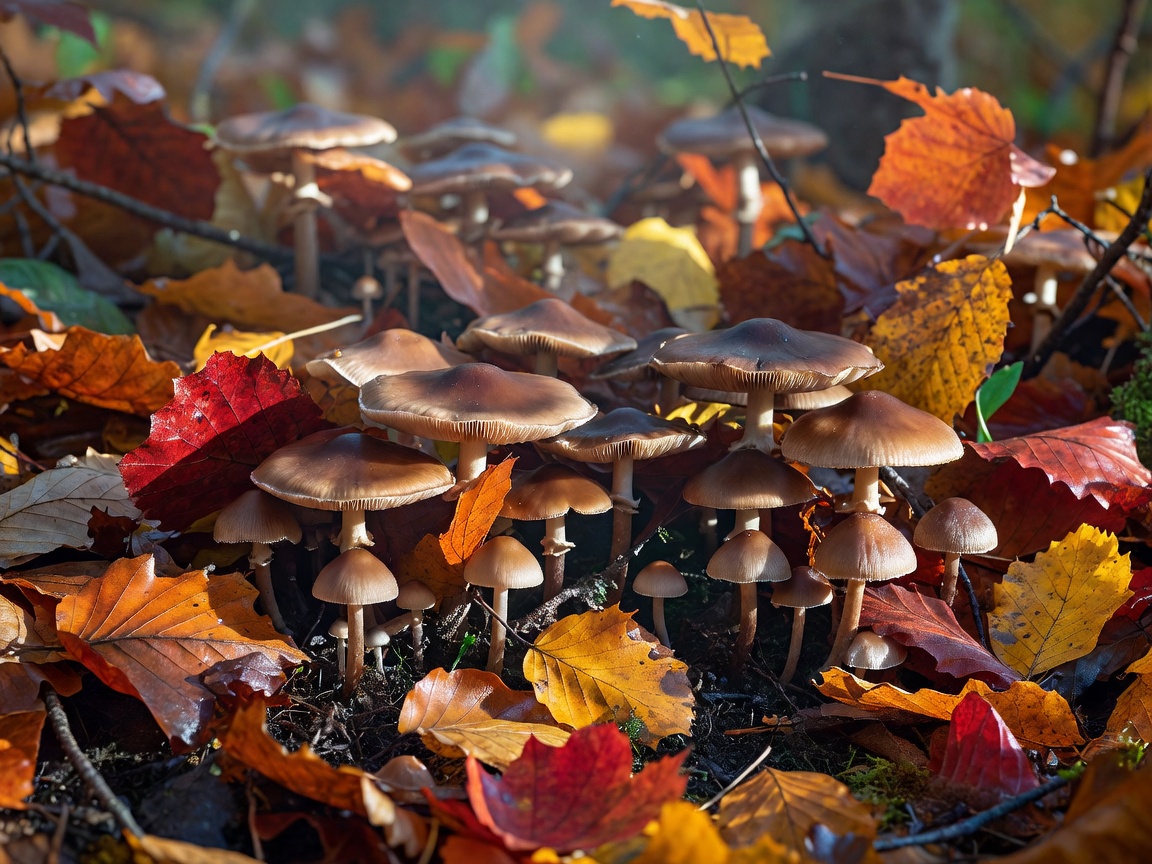
Choose the right type of event
Pick a festival when you want identification displays, talks, cooking demonstrations and family activities in one place. Choose a guided foray when you want field skills, habitat knowledge and close observation. Select a classroom workshop when accessibility, microscopy or structured comparison matters most, then match the format to your actual learning goal.
Look for established events associated with botanical gardens, wildlife trusts, mycological societies or experienced naturalists. Programmes such as the UK Fungus Day network and regional North American mushroom festivals vary annually, so use their listings as starting points rather than permanent dates. Confirm the organiser, leader credentials and collection rules directly, then reserve small groups early.
Compare price and group size
Expect a two- or three-hour public foray to cost about £20–£45, while a full workshop with lunch or cooking can cost £60–£95 or more. Free community walks can provide a useful introduction, but they may attract large groups and offer less individual inspection time. Ask for the participant-to-leader ratio before paying, then choose a smaller group when identification practice is your priority.
Check whether the fee includes parking, estate admission, refreshments, a collecting permit or printed notes. Ask whether children are accepted and whether dogs are permitted, because rules differ across reserves and private woodland. Read the cancellation policy for drought, storms or poor fruiting conditions, then choose a provider willing to teach ecology even when mushrooms are scarce.
Protect yourself from poisoning
Never eat a wild mushroom identified only through a photograph, app, social post or casual comparison. Toxic species can resemble edible ones, and colour can change with age, rain or handling. Keep every collection for study separate from food, then let a qualified local expert examine complete specimens in person.
Do not rely on folk tests involving silver spoons, peeling, insect damage or cooking methods. These tests do not make poisonous fungi safe, and some toxins survive cooking. If ingestion is suspected, contact emergency services or your local poison centre immediately, preserve a sample and photograph, then follow medical instructions without waiting for symptoms.
Tell the leader about allergies and mobility needs before the event. Avoid tasting any raw wild mushroom, wash your hands before eating, and supervise children closely around specimens. Carry personal medication and emergency contact details, then remain with the group throughout the foray.
Collect responsibly
Check landowner permission and local law before removing anything. Nature reserves, national parks and protected sites may ban or restrict collection, while commercial gathering often requires separate permission. Follow event limits, take only the few specimens needed for identification, then leave rare or abundant displays undisturbed for wildlife and other visitors.
Cut or lift specimens according to the leader’s method, because identification sometimes requires the entire stem base. Place separate species in paper packets or a divided basket rather than a plastic bag, which encourages crushing and moisture. Label the habitat and nearby tree species, then photograph the mushroom before moving it.
Pack for a useful field session
Wear waterproof boots, long trousers and layered clothing in muted colours. Carry rain protection, water, a charged phone, a small notebook, paper bags and a hand lens if the organiser recommends one. Leave knives and collecting tools at home unless the leader specifically requests them, then keep your pack light enough for uneven ground.
Download meeting instructions and an offline map before entering woodland. Mobile service may disappear, car parks can be unmarked and groups often leave promptly. Arrive at least fifteen minutes early, use the toilet before departure and tell the leader if you must leave before the group returns.
Turn the event into lasting knowledge
Focus on a few observable features instead of memorising dozens of names. Record cap texture, gill or pore structure, stem base, bruising, smell, substrate and associated trees. Ask the leader to explain lookalikes and uncertainty, then write down why an identification was rejected as well as accepted.
Choose a festival with a staffed display table when weather limits walking. Compare labelled specimens side by side, attend a taxonomy talk, then buy a current regional field guide recommended by local experts. Treat every event as education rather than permission to forage alone, then return with trained leaders until your field habits are consistent.