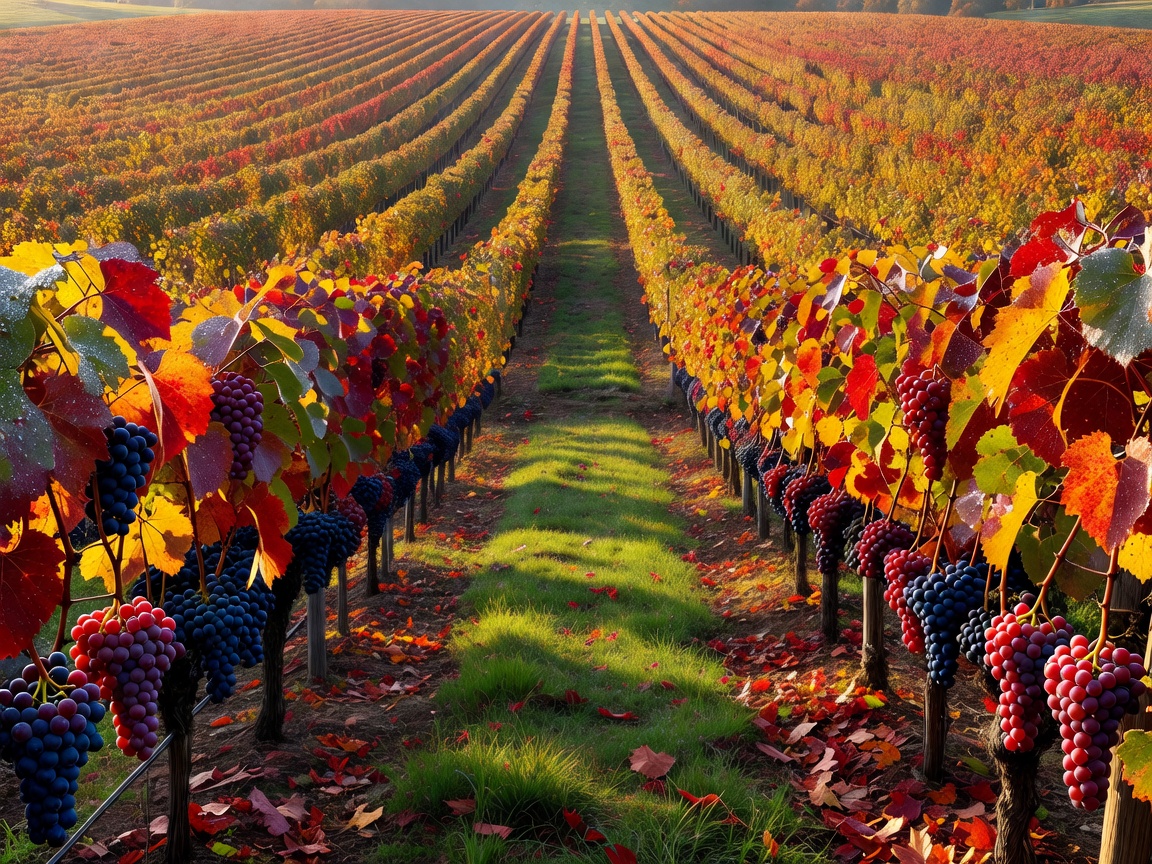
Choose a harvest, not just a famous label
Start with the experience you want rather than the bottle you recognise. Choose Rioja for street parades and communal energy, Tuscany for estate lunches and scenic drives, Champagne for structured cellar visits, or the Douro for steep landscapes and river connections. Expect harvest timing to move with weather, so confirm each producer’s programme directly before fixing your route.
Visit Rioja’s San Mateo and grape-harvest celebrations when you want concerts, food stalls and public ceremonies in Logroño. Treat the grape-treading spectacle as atmosphere rather than a working harvest lesson, then add appointments in Laguardia or Haro for technical tastings. Stay in one town and use organised transfers when possible, then avoid building a driving itinerary around repeated pours.
Compare Tuscany, Champagne and the Douro
Pick Tuscany when you value slow meals and small estates over one central festival. Look for “vendemmia” packages that combine a vineyard walk, supervised picking, cellar explanation and lunch. Expect basic group visits around €25–€50, substantial tastings around €50–€90, and private harvest lunches above €120. Ask whether transport, picking participation and tax are included, then compare complete prices rather than headline rates.
Choose Champagne when cellar craft matters more than rustic participation. Base yourself in Reims or Épernay, use regional trains for town-to-town travel, and reserve smaller grower visits separately. Expect standard tours from roughly €30–€60 and prestige tastings above €80. Do not assume harvest access is available, because working cellars often restrict visitors during the busiest weeks, so request written confirmation before travelling.
Select the Douro when landscape and transport are central to the trip. Combine Porto with Peso da Régua or Pinhão, then compare train, boat and private-transfer timings carefully. Harvest programmes may include grape treading in traditional lagares, dinner and several wines for about €70–€180. Check the finish time before relying on the last train, then arrange a local room or driver for evening events.
Book in the correct sequence
Reserve the winemaker dinner or harvest workshop first, because capacity may be measured in dozens rather than hundreds. Secure lodging second, especially in compact villages where rooms vanish quickly. Add flexible rail or air travel third, then fill open periods with public fairs and walk-in tasting rooms. Keep one half-day unplanned so weather or producer changes do not break the entire trip.
Read cancellation terms before paying. Harvest activities can move when grapes ripen early, rain delays picking or winery operations take priority. Prefer reservations that allow date changes, then save confirmation emails offline. Contact the venue again seven days before arrival and ask for footwear rules, meeting points and current start times.
Manage tasting, meals and transport
Eat before the first tasting and drink water between flights. Ask for a spittoon when you want to compare several wines, and do not treat finishing every pour as polite. Set a bottle budget before visiting the cellar, then check airline weight limits or producer shipping fees before buying cases.
Use a designated driver, booked transfer or walkable base after any tasting. Rural taxis can be scarce and mobile coverage can fail between estates, so save local numbers and maps in advance. Never rely on “just a few samples” as a driving plan, and arrange the return journey before the first glass.
Balance the advantages and drawbacks
Choose harvest season for animated villages, direct producer contact and wines explained in their agricultural context. Accept the trade-offs of higher room rates, busy roads, variable weather and limited winery access. Visit immediately before or after peak harvest when you want calmer appointments and lower prices, then ask producers whether any seasonal meals or demonstrations remain available.
Pack a light waterproof layer, sun protection and shoes that can handle mud without damaging cellar floors. Wear neutral fragrances so you can smell the wine clearly, then carry a small notebook for varieties and producers. Verify current dates on official regional tourism and winery websites, then book the experience that gives you the clearest confirmed schedule.